Are Period Panties Comfortable for All-Day Wear?
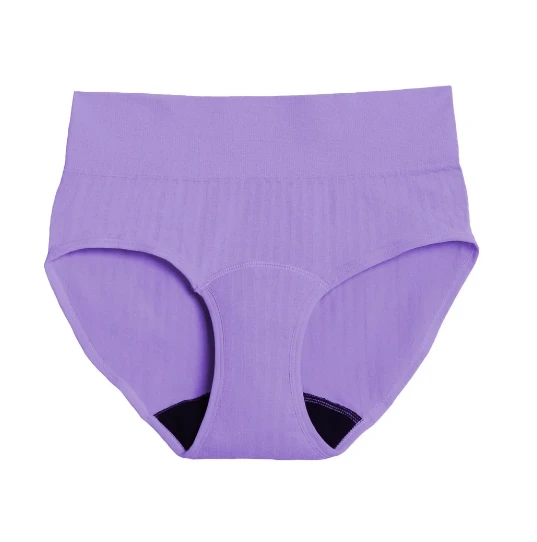
Are period panties comfortable for all-day wear? For many users, yes, when the style matches their flow, body shape, and daily activity. Product testing of 46 period underwear options in 2024 evaluated absorbency, comfort, and fit, showing that comfort depends heavily on fabric softness, waistband design, and moisture management rather than absorbency alone. Most designs are intended for several hours of use, with many recommendations suggesting changing within about 8–12 hours depending on flow and hygiene needs. A pair with a breathable fabric layer, secure gusset coverage, and suitable capacity can feel similar to regular underwear during work, travel, or sleep.
Period panties can be comfortable for all-day wear because they combine underwear and menstrual protection in one garment. Unlike disposable pads, they do not rely on adhesive strips and are less likely to shift during walking, sitting, or daily movement.
The comfort comes from the construction. Most designs use multiple layers: a moisture-wicking surface, an absorbent middle section, and a leak-resistant outer layer. The absorbent area must hold menstrual fluid while staying flexible enough for normal movement.
| Feature | Effect on daily comfort |
|---|---|
| Moisture-wicking fabric | Helps reduce a wet feeling |
| Stretch waistband | Improves comfort during long wear |
| Wider gusset coverage | Helps reduce leakage risk |
| Breathable outer fabric | Helps manage heat and sweat |
The amount of absorbency is one of the biggest factors affecting how long a pair feels comfortable. A light-flow design may work well for spotting or the last days of a period, while a higher-capacity design is usually more suitable for heavier days.
A review that tested 46 products found that different period underwear models performed differently in comfort and absorbency, showing why one design may work well for one person but feel uncomfortable for another.
“Comfort is usually linked to the match between the product and the wearer’s daily needs, not simply the maximum absorbency level.”
A person with light flow may wear the same pair during an 8-hour workday without noticing it. Someone with heavier flow may need a change after several hours. Menstrual flow is not constant throughout the day, so capacity needs can change between users and between different days of the same cycle.
Fabric choice also affects the experience. Cotton blends often feel familiar and soft, while synthetic fibers such as polyester microfiber are commonly used because they dry faster and move moisture efficiently.
In 2025 reviews of period underwear, testers compared different materials, cuts, and absorbency levels, including options designed for light flow, exercise, and overnight use.
A pair that feels comfortable for a short period may not feel the same after several hours. Sitting for long periods, warm weather, and physical activity can change how the fabric feels against the skin.
The waistband and leg openings are two areas that strongly affect long-term comfort. During menstruation, some people experience abdominal bloating, making tight waistbands less comfortable.
A well-fitting pair should stay in place without pressing too tightly. If the underwear moves too much, the absorbent area may not remain positioned correctly. If it is too tight, friction and pressure can become noticeable after several hours.
Sizing differences between brands also matter. A person who wears one underwear size from a standard clothing brand may not always need the same size in period underwear because the absorbent layers and fabric stretch can change the fit.
| Fit issue | Possible result |
|---|---|
| Waistband too tight | Pressure around the abdomen |
| Leg openings too loose | Less secure coverage |
| Gusset too narrow | Reduced protection area |
| Extra thick layers | More warmth or bulk |
The design of period panties has improved because manufacturers now focus on balancing absorbency with everyday wearability. Older high-capacity designs often used thicker materials, while newer options commonly use thinner absorbent layers with improved fabric structures.
Breathability becomes especially important during all-day use. The underwear must prevent fluid from reaching outer clothing, but it also needs to manage heat and moisture from sweat.
People who live in warmer climates or spend many hours outdoors may prefer lighter designs during the daytime. Someone working in an air-conditioned office may have a different preference because temperature and activity levels affect comfort.
A 2024 product review covering multiple brands noted that testers considered comfort, absorbency, and value together rather than evaluating only leakage protection.
“The best daily option is often the one that feels least noticeable while still providing enough protection.”
Exercise creates different requirements. Walking, cycling, running, and gym workouts increase movement and body temperature, so the underwear needs enough stretch and airflow.
A thicker overnight style may provide more coverage but may feel warmer during exercise. A thinner style may feel better during activity but may require more frequent changes.
For active users, choosing separate styles for different situations can improve comfort. A person might use a lightweight pair for daytime movement and a higher-capacity pair for heavier flow or sleeping.
Overnight wear is another area where many users consider period underwear. Sleep can last 7–9 hours, and changing protection during the night is inconvenient for many people.
Night-focused designs often extend absorbent coverage farther toward the back area to accommodate different sleeping positions. This wider coverage can help users who move frequently while sleeping.
However, overnight comfort still depends on saturation. A garment that has reached its absorbency limit may feel damp even if it technically prevents leakage.
| Situation | Common preference |
|---|---|
| Office work | Medium absorbency, soft waistband |
| Travel days | Higher capacity, extra coverage |
| Exercise | Lightweight, breathable construction |
| Overnight | Extended coverage, higher absorbency |
Hygiene practices also influence comfort. Wearing a saturated garment for too long may increase discomfort because moisture remains closer to the skin.
Many manufacturers recommend washing reusable period underwear according to care instructions, avoiding products that may reduce fabric performance, such as some fabric softeners. Proper drying helps maintain absorbency over repeated cycles.
The number of pairs needed depends on personal use. Someone using period underwear only on lighter days may need fewer pairs, while someone using it throughout an entire menstrual cycle usually benefits from having multiple pairs.
A practical rotation may include different absorbency levels:
- Light absorbency for spotting or low-flow days
- Medium absorbency for regular daytime use
- High absorbency for heavier days or nighttime
Cost can also influence comfort because having enough pairs allows users to change when needed instead of extending wear longer than preferred.
Period panties are different from pads, tampons, and cups because the protection system is built into the garment. Pads can sometimes move or create friction, while tampons and cups require internal placement and may not suit every user.
Period underwear offers a middle option: external protection with the feel of ordinary underwear. A 2024 review from People Tested evaluated multiple products based on comfort, absorbency, and fit, including options for different flow levels and activities.
Comfort problems usually come from a mismatch between the product and the situation. Common issues include choosing insufficient absorbency, selecting the wrong size, or wearing a heavier design when a lighter option would be more comfortable.
Before buying, users can consider:
- Average flow level
- Number of hours usually spent away from home
- Daily activity level
- Climate and temperature
- Preferred underwear style
A person who works at a desk for 8 hours may have different needs from someone who spends the day walking or exercising.
The answer to whether period panties are comfortable all day depends on how well the product matches those conditions. A properly fitted pair with suitable absorbency can provide comfortable protection for many hours, while the wrong style may feel bulky or damp much sooner.
Comfort comes from the balance between protection, fit, fabric, and changing habits. For many users, period panties are practical for daily wear because they remove the need for separate menstrual products while maintaining the feel of regular underwear.